
- SpotMV
- Apr 03, 2026
- latest updates
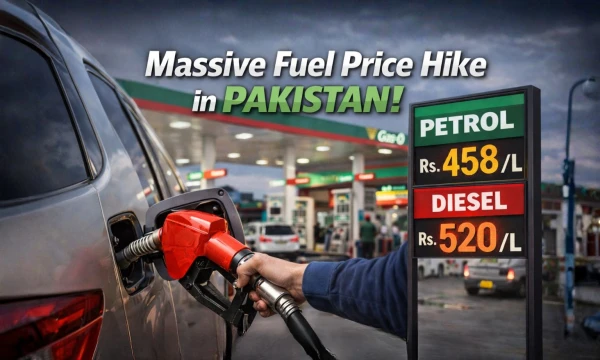
Fuel prices are soaring high and petrol cost in Pakistan has hit the roof and the country is experiencing a significant economic shock. 458.40 per litre and diesel going up to Rs. 520.35 per litre. This is one of the greatest fuel price increments in the history of the country and it has created great pressure on both consumers and businesses.
Sharp Increase Compared to Previous Prices
Current fuel prices have increased by a huge margin over the past rates:
Petrol: Revised upwards by Rs. 321 to Rs. 458.40
Diesel: Gone up by Rs. 335 to Rs. 520.35
This translates to a higher increase in petrol by more than Rs. 137, and diesel has increased over a hundred percent more. 185 per litre, and causing much alarm in the country.
Impact on Daily Life
The rising fuel prices will be felt in an indirect effect on all sectors of the economy. There will be a great increase in transportation costs and this will directly affect:
-
Public transport fares
-
Logistics delivery and logistics.
-
Prices of basic commodities.
Because of the high consumption of diesel in the transport and agricultural sectors, its drastic rise will further increase food prices, exacerbating inflation.
Economic Pressure on Citizens
To the average Pakistani this increase in fuel will only serve to increase an already burdensome financial load. The high inflation rates will mean that purchasing power will be less and daily commuting will be costly due to the rise in the prices of petrol and diesel.
There is a high possibility that middle- and lower-income households will be the most hit since they are dependent on fuel as a means of transportation and other basic needs.
Reasons Behind the Price Hike
Even though there can be many official reasons why this massive increase can be attributed, a number of reasons are considered to have caused this massive increase:
-
Increasing oil prices in the world.
-
Currency depreciation
-
Higher taxation and levies by the government.
-
Supply chain disruptions
All these factors have driven the fuel prices to high records.
Impact on Business and Industry
The fuel price increase will also be a major challenge to the businesses in Pakistan.
Increased fuel prices will:
-
Increase production expenses
-
Raise transportation costs
-
Reduce profit margins
These added costs may not be easily absorbed by the small businesses especially, and consumers may have to pay more.
Growing Concerns and Public Reaction
The reaction of the masses towards the increase in price has been that of concern and frustration. The government is being pressured by many citizens to intervene in order to tame the increased costs and relieve citizens.
Experts caution that in case of further increase of the fuel prices, it would:
-
Reduce the pace of economic growth.
-
Increase unemployment
-
Additional pressure on household budgets.
Shift Toward Alternatives
As the cost of fuel soars to unprecedented values, quite a number of individuals can now contemplate the alternative of:
-
Carpooling
-
Public transportation
-
Hybrid and electric cars.
Such change may slowly alter the transportation patterns in Pakistan.
Conclusion
The high increase in the cost of fuel, the petrol costing Rs. 458.40 and diesel at Rs. The fact that 520.35 is a decisive point in the economy of Pakistan. This growth is likely to affect all spheres of life, including transport and food costs.
In this difficult situation that the country has to sail through, policymakers and citizens will have to adjust to the increase in prices and seek alternative ways of living a sustainable life in the future.
FAQs
1.What are new petrol prices in Pakistan?
Petrol has now become priced at Rs. 458.40 per litre.
2. Which is the present price of the diesel?
Diesel has increased to Rs. 520.35 per litre.
3. What is the level of fuel price increment?
Petrol has gone up by more than Rs. By over 137 and diesel by more than Rs. 185.
Why do fuel prices go up?
Because of the world oil prices, taxes and the depreciation of currencies.
5. What will be the impact on everyday life?
It will raise the cost of transport, inflation and general cost of living.
Comments