
- SpotMV
- May 22, 2026
- latest updates
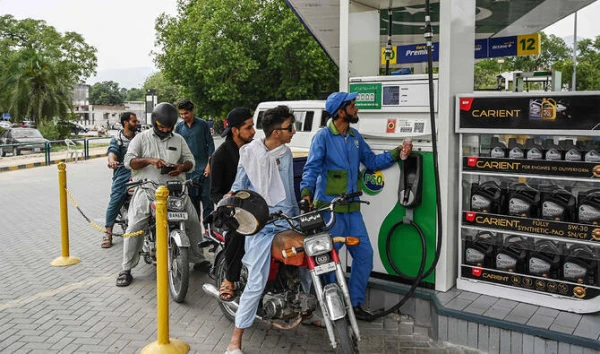
The government is again under economic pressure due to skyrocketing petrol prices throughout Pakistan. The current price of petrol is now Rs. 155 per litre on 10th May 2022 to nearly Rs. 416 per litre in May 2026. The significant jump is indicative of a nationwide inflation crisis that has been plaguing millions of households, businesses and vehicle owners.
Fuel prices have surged in the past four years and now represent one of the main financial worries for the public. Whether it's for everyday Americans commuting to work or motorcycle enthusiasts, or companies involved in transportation or ride-hailing, fuel prices are causing pain for nearly everyone.
Petrol Prices Show Massive Increase Since 2022
This comparison of the price of the fuels in 2022 and 2026 has clearly shown the fast rate of inflation in Pakistan.
|
Date |
Petrol Price |
|
10th May 2022 |
Rs. 155 Per Litre |
|
15th May 2026 |
Rs. 416 Per Litre |
This implies that petrol prices have risen by around Rs. In four years, the price of 261 per litre. The rise has been attributed to a number of factors such as currency devaluation, oil price changes in the international market, petroleum taxes, import prices, and economic uncertainties.
The rise has made it much harder for common folk to afford. Once a family that could afford to live comfortably with fuel is now looking again at unneeded traveling and at alternative vehicles smaller than the car, motorcycles or even electric.
Impact on Daily Life
Fuel prices are also impacting those who use public transport.This price increase isn't just impacting car owners. Fares for transportation all over the country have also surged.
In most cities fare prices for public transportation have increased significantly over the last few years. Passing on additional fuel costs to consumers by delivery services, ride-hailing platforms, logistics companies, and goods transporters. Consequently, the cost of other essentials such as groceries, vegetables, household goods, etc. have also gone up.
Fuel prices are considered to directly impact inflation as transportation is tied to the majority of sectors in the economy. As petrol prices go up, so does the cost of living.
The small business community is one of the hardest-hit. Due to economic pressure, many delivery based businesses now have to deal with the rising price and customers have become more price conscious.
Vehicle Owners Under Pressure
Expensive fuel is also driving consumer behaviour in the automotive industry.
Today's customer is interested in:
- Hybrid vehicles
- Electric vehicles (EVs)
- Smaller engine cars
- Fuel-efficient hatchbacks
As fuel costs continue to climb, owning large SUVs and high-displacement cars are becoming very high maintenance. Turbocharged and luxury cars are particularly hit as premium fuels such as high-octane petrol are more expensive.
A lot of individuals have also postponed long journeys and cut down on driving unneeded distances to manage monthly gas costs.
Shift Toward Electric Vehicles
As petrol prices rise, the popularity of EVs in Pakistan is also on the rise, with one major outcome being a rise in their popularity.
In the past 2 years various EVs have been introduced in the market such as:
- BYD Atto 3
- MG ZS EV
- JMEV EV3
- Honri VE
- Nora EV
Now consumers are actively comparing the cost of charging with petrol costs. Electricity is still a lot more cost-effective than fuel, so EV uptake is slowly growing among urban consumers.
As fuel prices keep increasing, automakers are also expected to increasingly focus on hybrid and electric technology in the coming years.
Economic Concerns Continue
Analysts say the fuel price could be volatile due to international crude oil prices and government taxations. Pakistan is also heavily dependent on imported fuel, so fluctuations in the exchange rate also directly affect local petrol prices.
With rising fuel prices adding to the cost pressures on middle and low-income families already facing inflation in food, utilities and transportation.
A number of people are calling for long-term changes to fuel prices and improved public transport to curb the reliance on costly petrol-based cars.
Final Thoughts
The increase in petrol prices from Rs. 155 per litre in 2022 to Rs. The inflation is a serious issue currently faced by Pakistan in 2026, which is 416 per litre. For millions of people transportation, business operations or household budgets have been greatly impacted by the cost of fuel, which has become one of their largest monthly expenses.
With prices on the rise, consumers will increasingly turn to vehicles with greater fuel economy and those that are hybrid or electric to save on long-term running expenses. One of the biggest questions on the minds of the public and the automotive industry will be whether or not petrol prices are going to be more stable or go even higher in the coming months.
Comments