

- Tassadaq
- Aug 15, 2026
- Safety and Technology
Every construction site, warehouse, or industrial facility has one thing in common: time matters. Deadlines are tight, labor costs continue to rise, and every delay affects the bottom line. While experienced workers and careful planning play a major role in keeping projects on schedule, one factor is often overlooked, the quality of the tools and equipment being used every day.
The right industrial tools don't just make tasks easier. They help crews work faster, reduce physical strain, improve safety, and minimize costly downtime. Whether you're managing a construction project, operating a manufacturing facility, or overseeing warehouse operations, investing in dependable equipment can have a noticeable impact on productivity.
Here's how choosing the right industrial tools can help your jobsite run more efficiently.
Start by Understanding Daily Workflow
Before purchasing new tools or machinery, it's important to understand how work moves through your jobsite.
Take a close look at daily operations and identify where delays occur. Are workers spending too much time moving materials? Is outdated equipment slowing production? Are crews waiting to share the same tools?
Answering these questions helps determine which equipment upgrades will have the greatest impact.
In many cases, improving workflow doesn't require a complete overhaul. Replacing a few outdated tools or adding specialized equipment can remove bottlenecks and help crews stay productive throughout the day.
Invest in Equipment Built for Heavy-Duty Work
Industrial jobs place constant demands on tools and machinery. Equipment is exposed to dust, moisture, vibration, heavy loads, and long operating hours.
Choosing durable industrial equipment helps reduce breakdowns and keeps projects moving without unnecessary interruptions.
Reliable equipment often offers:
- Stronger construction materials
- Longer service life
- Improved operating performance
- Reduced maintenance requirements
- Better overall productivity
While lower-priced alternatives may appear attractive initially, dependable equipment often delivers better value over time because it requires fewer repairs and experiences less downtime.
Improve Material Handling
One of the biggest sources of lost productivity is inefficient material movement.
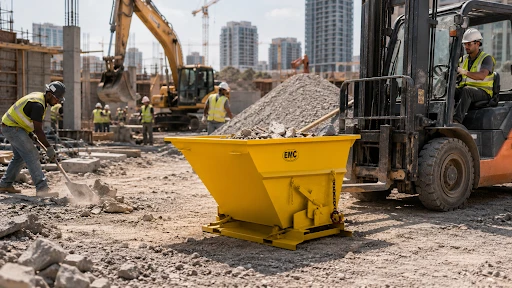
Workers shouldn't spend valuable time carrying heavy materials across the site when equipment can complete the task faster and more safely.
Depending on the project, useful material handling solutions may include:
- Forklifts
- Pallet jacks
- Lift tables
- Platform carts
- Material hoists
Using the right equipment allows crews to focus on skilled work rather than repetitive manual lifting.
It also helps reduce fatigue and lowers the risk of workplace injuries.
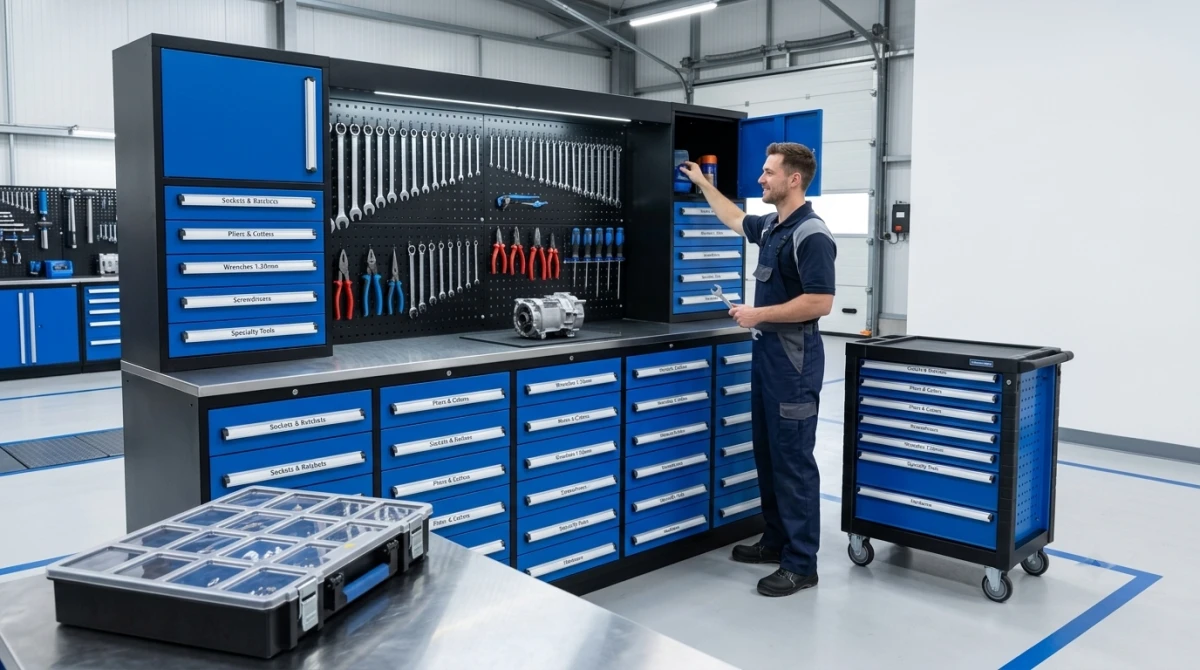
Keep Tools Organized and Accessible
Even high-quality tools can't improve productivity if employees spend time searching for them.
Creating designated storage areas for frequently used equipment keeps everything organized and reduces unnecessary downtime.
Simple improvements include:
- Clearly labeled storage cabinets
- Shadow boards for hand tools
- Mobile tool carts
- Inventory tracking systems
- Organized storage containers
These small organizational changes often save hours of lost productivity each week.
Reduce Downtime with Preventive Maintenance
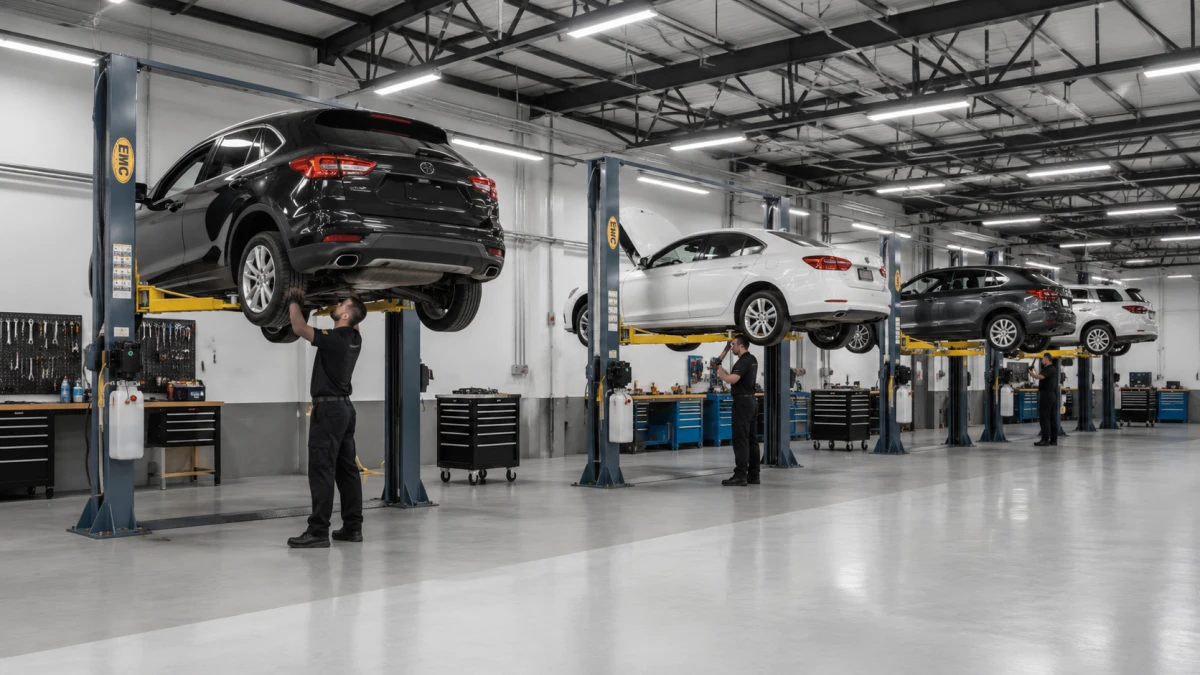
Equipment failures rarely happen at convenient times.
Unexpected breakdowns can delay projects, increase labor costs, and create scheduling challenges for everyone involved.
Preventive maintenance helps avoid these situations by identifying potential problems before they become expensive repairs.
A maintenance program should include:
- Routine inspections
- Lubrication schedules
- Replacement of worn components
- Battery and fluid checks
- Equipment cleaning
Well-maintained tools not only last longer but also operate more efficiently throughout their service life.
Choose Equipment That Supports Worker Safety
Efficiency and safety go hand in hand.
Workers perform better when they feel confident using equipment that's reliable and designed with safety in mind.
Modern industrial tools often include features such as:
- Ergonomic handles
- Emergency shutoff controls
- Protective guards
- Anti-slip surfaces
- Improved operator visibility
Providing proper training alongside quality equipment helps employees work more confidently while reducing the likelihood of workplace accidents.
A safer workplace also means fewer interruptions caused by injuries and equipment damage.
Standardize Equipment Across the Jobsite
Using multiple brands or different tool models for similar tasks can create unnecessary complications.
Standardizing equipment offers several benefits:
- Simplified employee training
- Easier maintenance
- Common replacement parts
- Consistent operating procedures
- Improved efficiency across teams
When employees are familiar with the tools they're using, they can complete tasks more confidently and with fewer delays.
Work with a Reliable Equipment Supplier
Choosing the right supplier is just as important as selecting the equipment itself.
A trusted supplier can help businesses identify products that match their operational needs while providing ongoing support after the purchase.
Businesses looking for dependable industrial tools should work with suppliers that offer a broad selection of commercial and industrial products, reliable customer service, and equipment designed to perform in demanding work environments.
Building a relationship with an experienced supplier makes future upgrades and replacements much easier as business needs evolve.
Train Employees to Get the Most from Their Equipment
Even the best equipment won't deliver maximum productivity without proper training.
Employees should understand:
- Correct operating procedures
- Daily inspections
- Safe lifting techniques
- Basic maintenance responsibilities
- Equipment limitations
Ongoing training helps workers operate more efficiently while reducing unnecessary wear on machinery.
Companies that invest in employee development often experience better equipment performance and improved overall productivity.
Small Improvements Can Deliver Big Results
Not every productivity improvement requires purchasing expensive machinery.
Sometimes simple changes such as reorganizing storage areas, replacing worn-out tools, or improving maintenance schedules can produce meaningful results.
Reviewing operations regularly allows businesses to identify small inefficiencies before they become larger problems.
Over time, these incremental improvements create a more productive and better-organized workplace.
Final Thoughts
Improving jobsite efficiency isn't about asking employees to work harder, it's about giving them the right resources to work smarter. Durable equipment, organized workflows, effective maintenance, and proper training all contribute to smoother operations and better project outcomes.
By investing in dependable industrial equipment and choosing high-quality industrial tools that match the demands of the job, businesses can reduce downtime, improve workplace safety, and increase productivity without sacrificing quality.
In today's competitive industries, having the right tools on hand isn't simply a convenience, it's a practical investment that helps projects stay on schedule and supports long-term business success.
Comments 0
Share your thoughts with other readers. Let us keep the discussion respectful.