

- Unknown
- Nov 19, 2026
- Safety and Technology
How Does Self-Healing PPF Protection Film Repair Scratches Automatically?
Self-healing PPF protection film uses advanced topcoat technology to reduce the appearance of minor scratches, swirl marks, and surface abrasions automatically when exposed to suitable heat. Made primarily from thermoplastic polyurethane (TPU), this protective film acts as a barrier between a vehicle's original paint and everyday environmental damage. Depending on the product, heat from sunlight, warm water, or controlled sources activates the self-healing process, helping the film restore its smooth appearance without manual polishing.
What Is Self-Healing PPF Protection Film?
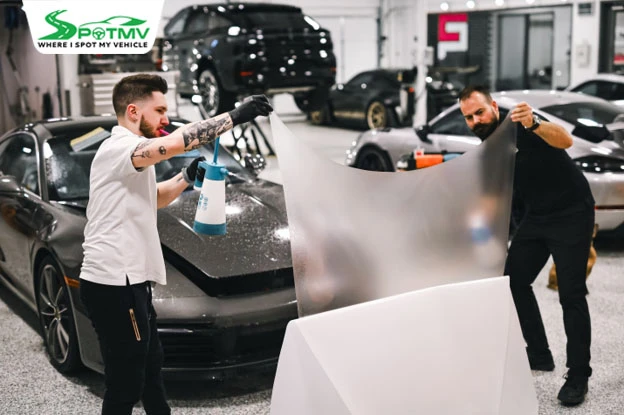
Self-healing Paint Protection Film (PPF) is a specialized transparent film designed to protect automotive paint while recovering from minor surface imperfections.
Unlike conventional protective films, self-healing PPF features an advanced topcoat with properties that allow superficial scratches to gradually disappear under suitable conditions.
The film typically consists of three main layers:
- Topcoat layer: Provides scratch resistance, self-healing properties, and surface protection.
- TPU layer: Offers flexibility, impact absorption, and protection against road debris.
- Adhesive layer: Bonds the film securely to the vehicle's painted surface.
This combination helps maintain the vehicle's original appearance while reducing the visibility of everyday surface damage.
How Does Self-Healing PPF Protection Film Work?
The self-healing process relies on the specialized properties of the film's topcoat.
When minor scratches appear on the surface, they can temporarily disturb the topcoat's smooth structure. Exposure to suitable heat allows the material to relax and recover, reducing the visibility of these imperfections.
Here is how the process works:
- Minor scratches develop: Light abrasions or swirl marks affect the film's topcoat.
- Heat is introduced: Sunlight, warm water, or controlled heat raises the film's surface temperature.
- Topcoat begins recovering: The specialized material relaxes and gradually reduces the visible scratch marks.
- Surface appearance improves: The film returns closer to its original smooth finish.
The process can happen without removing the film or using traditional polishing compounds.
However, the speed and effectiveness of self-healing depend on the film's formulation, scratch depth, and temperature conditions.
5 Ways Self-Healing PPF Protects Your Vehicle's Appearance
1. Automatically Reduces Minor Surface Scratches
One of the biggest advantages of self-healing PPF is its ability to recover from minor surface scratches.
Everyday activities such as washing, drying, and wiping a vehicle can create fine swirl marks. These imperfections gradually affect the exterior's appearance.
Self-healing technology helps reduce the visibility of such marks by allowing the film's topcoat to recover when exposed to suitable heat.
This keeps the vehicle looking cleaner and helps maintain a smooth finish without frequent polishing.
2. Maintains a Glossy and Smooth Finish
A vehicle's exterior appearance depends heavily on the condition of its painted surfaces.
Minor scratches and swirl marks can reduce gloss and make even a well-maintained vehicle look older.
Premium self-healing PPF products are designed to maintain surface smoothness and clarity.
Depending on the selected product, they can offer:
- High optical clarity.
- Consistent gloss levels.
- Reduced appearance of swirl marks.
- Better resistance to minor abrasions.
- Long-lasting surface protection.
This makes self-healing PPF particularly attractive for luxury cars, sports cars, and premium SUVs.
3. Reduces the Need for Frequent Paint Correction
Traditional paint correction involves using polishing compounds and specialized equipment to remove or reduce surface imperfections.
Although effective, repeated correction removes small amounts of the vehicle's clear coat.
Self-healing PPF provides an alternative for dealing with many minor surface imperfections because the film's topcoat can recover without polishing the original paint.
This helps reduce the need for frequent correction on protected panels and preserves the underlying factory finish.
4. Provides an Additional Barrier Against Everyday Damage
Self-healing PPF does more than repair minor surface marks.
Its TPU construction also helps protect the vehicle against everyday external damage.
|
Type of Damage |
How PPF Helps |
|
Minor scratches |
Self-healing topcoat reduces visible marks |
|
Swirl marks |
Helps restore surface smoothness |
|
Stone chips |
TPU layer absorbs minor impacts |
|
Road debris |
Provides a protective physical barrier |
|
Bug splatter |
Helps protect underlying paint |
|
Bird droppings |
Reduces direct exposure to contaminants |
The film cannot prevent every type of damage, but it provides an additional layer of protection for the original paint.
5. Helps Preserve Original Factory Paint
Maintaining original factory paint is important for vehicle owners who care about long-term appearance and resale appeal.
When PPF is professionally installed, it protects the painted surface underneath from many everyday scratches and minor impacts.
Self-healing properties also help maintain the film's appearance over time.
This can be especially useful for owners who want to keep their vehicles in excellent condition without regularly investing in paint correction or cosmetic repairs.
What Types of Scratches Can Self-Healing PPF Repair?
Not every scratch can disappear through self-healing technology. Understanding the difference is important before investing in a PPF product.
|
Scratch Type |
Self-Healing Capability |
|
Light surface scratches |
Usually effective |
|
Minor swirl marks |
Usually effective |
|
Fine washing marks |
Often effective |
|
Deeper scratches |
Limited or ineffective |
|
Cuts and punctures |
Cannot repair |
|
Paint damage underneath |
Cannot repair |
Self-healing PPF works primarily on superficial damage affecting the topcoat. It cannot repair deep cuts, torn film, or damage that reaches the vehicle's original paint.
Tips to Get the Best Performance From Self-Healing PPF
To maintain your film's performance and appearance, follow these practices:
- Choose quality TPU film: Look for products with verified self-healing technology.
- Use proper washing techniques: Choose automotive-safe shampoos and microfiber towels.
- Avoid abrasive cleaning: Harsh brushes and aggressive polishing can damage the topcoat.
- Follow heat recommendations: Use only the temperature and activation methods approved by the manufacturer.
- Schedule regular inspections: Check edges, corners, and exposed areas for lifting or damage.
- Remove contaminants promptly: Bird droppings, tree sap, and bug residue should not be left on the film for extended periods.
Frequently Asked Questions About Self-Healing PPF Protection Film
1. How long does self-healing PPF take to repair scratches?
Minor surface scratches may recover within minutes or several hours, depending on the film formulation, temperature, and scratch severity. Some products heal faster under suitable heat.
2. Does self-healing PPF work without sunlight?
Yes. Many self-healing films can recover through other suitable heat sources, including warm water. Always follow the manufacturer's recommended temperature guidelines.
3. Can self-healing PPF repair deep scratches?
No. Self-healing technology is designed primarily for minor surface imperfections. Deep scratches, cuts, and punctures generally require film repair or replacement.
4. Does self-healing PPF damage original car paint?
No. When installed and removed correctly, quality PPF is designed to protect the original paint rather than damage it. Existing paint condition and installation quality are important considerations.
5. Is self-healing PPF better than regular PPF?
Self-healing PPF offers an additional advantage because it can reduce the appearance of minor scratches and swirl marks. However, actual performance depends on the film's construction and quality.
6. How long does self-healing PPF last?
Premium PPF products can last several years, depending on their quality, installation, maintenance, and environmental exposure. Self-healing performance may vary over the film's lifespan.
7. Can ceramic coating be applied over self-healing PPF?
Yes. Certain ceramic coatings are compatible with PPF and can provide additional hydrophobic properties and easier maintenance. Always confirm compatibility with the film and coating manufacturers.
Final Thoughts: Is Self-Healing PPF Worth It?
Self-healing PPF protection film has changed how vehicle owners approach exterior maintenance. Its ability to reduce the appearance of minor scratches, maintain surface gloss, and protect original factory paint makes it a valuable option for modern vehicles.
By combining advanced TPU construction with self-healing topcoat technology, it offers more than conventional paint protection. For car enthusiasts who want their vehicles to maintain a fresh, well-maintained appearance, investing in high-quality self-healing PPF can be a practical long-term decision. Beyond the exterior, applying protective film to high-touch cabin surfaces—especially sleek black interior trim that easily shows fine swirl marks and fingerprints—keeps the entire driving experience looking brand-new for years.
Choosing the right product and professional installer is essential to achieving reliable protection and the best possible results.
Comments 0
Share your thoughts with other readers. Let us keep the discussion respectful.